
The Rules of the Reef: How to Safely Snorkel with Hawaiian Green Sea Turtles
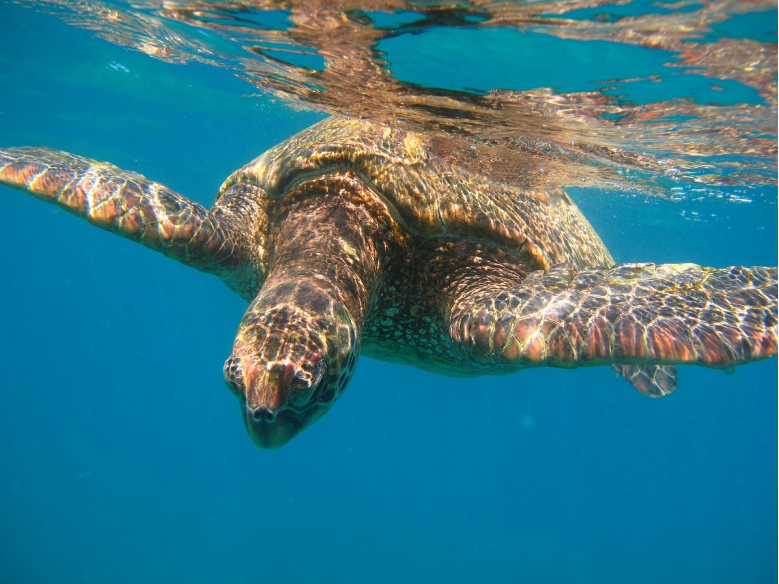
Seeing a Hawaiian green sea turtle, or honu, in the clear waters around Maui can be an unforgettable experience. These graceful animals are wild and protected, however, so every encounter comes with an important responsibility: observe the turtle without changing its natural behavior.
Whether you are snorkeling along the South Maui coast or joining a boat tour from Makena, follow these simple rules to protect the honu, the reef, and yourself.
The most important rule: stay 10 feet away
NOAA Fisheries recommends staying at least 10 feet, or 3 meters, away from Hawaiian sea turtles both in the water and on land.
This distance applies when a turtle is:
- Swimming over the reef
- Resting on the ocean floor
- Surfacing to breathe
- Resting, or basking, on a beach or rocky shoreline
Ten feet is a minimum viewing distance. If the water is crowded or conditions make it difficult to maintain that space, give the turtle even more room or move away from the area.
A camera zoom or underwater camera can help you enjoy a closer look without swimming closer to the animal.
Never touch, chase, feed, or ride a sea turtle
Hawaiian green sea turtles are protected under the federal Endangered Species Act and Hawaiʻi laws. NOAA Fisheries and the Hawaiʻi Department of Land and Natural Resources advise visitors not to touch, chase, feed, pursue, or harass marine wildlife.
That means you should never:
- Touch a turtle’s shell, flippers, or head
- Chase a turtle to take a photograph
- Ride or hold onto a turtle
- Feed a turtle or place food in the water
- Block its path or surround it with swimmers
- Follow it when it tries to leave
- Stand on coral or damage the reef while trying to get closer
A turtle may look calm and approachable, but it is still a wild animal. Touching or pursuing it can cause stress and interrupt essential behaviors such as feeding, resting, and surfacing for air.
What should you do if a turtle swims toward you?
Sometimes a honu may approach a swimmer. If this happens, do not swim toward it or try to turn the encounter into a closer photo.
Instead:
- Stay calm and stop kicking toward the turtle.
- Keep your hands to yourself.
- Gently move out of its path.
- Leave open water between the turtle and the surface.
- Allow the turtle to choose where it goes.
Sea turtles must surface to breathe. Never position yourself directly above a turtle or block its route to the surface. If other snorkelers begin crowding the animal, calmly move away and give the turtle a clear path.
The goal is for the turtle to continue its behavior as if you were not there.
Give resting turtles extra space
Hawaiian green sea turtles sometimes leave the water to rest, a behavior known as basking. A resting turtle may appear motionless for a long time, but that does not mean it needs help or is safe to approach.
If you see a honu on the beach or shoreline:
- Stay at least 10 feet away.
- Do not touch or surround it.
- Keep children and pets back.
- Do not try to move it toward the water.
- Keep your visit brief and quiet.
NOAA’s sea-turtle FAQ explains that basking is a normal behavior for green turtles in Hawaiʻi. Give the animal time and space to rest undisturbed.
Protect the reef while you snorkel
Responsible turtle viewing also means protecting the habitat that supports honu and other marine life.
Before entering the water, listen to the crew’s safety briefing and make sure your mask, snorkel, fins, and flotation equipment fit comfortably. Once you are snorkeling:
- Keep your fins away from coral.
- Do not stand on the reef.
- Avoid stirring up sand near marine life.
- Stay with your buddy or group.
- Follow crew instructions about currents, boat traffic, and water conditions.
- Leave the water if you become tired, cold, uncomfortable, or unsure of your surroundings.
Snorkeling is an ocean activity, even when the water looks calm. You do not need to enter the water or remain in it longer than you feel comfortable.
What does “Turtle Town” mean in Maui?
“Turtle Town” is a popular name for reef areas along South Maui’s Makena coastline. It is not one single marked attraction or a guaranteed turtle-viewing station. The exact snorkeling location can vary with water clarity, wind, swell, marine life, and the captain’s judgment.
Kai Kanani’s Signature Deluxe Snorkel includes planned snorkeling at Molokini Crater and a second location along the Makena Coast, conditions permitting. The current tour listing notes that the route is subject to weather and the captain’s discretion.
Turtles are wild animals, so no responsible tour operator can guarantee a sighting. Enjoy the reef, fish, coral, and South Maui scenery as part of the experience, whether or not a honu appears.
Booking a Maui snorkeling tour with sea turtles
When you book a Maui snorkeling tour with Kai Kanani, review the current check-in and boarding instructions before your tour date. The current Signature Deluxe listing describes a 3.5-hour outing with check-in at the Kai Kanani Store in Wailea Village and beach loading from Maluaka Beach in Makena.
Beach loading means walking from the shore through the water to board the catamaran, so wear swimwear, bring a towel, and protect phones and other valuables in a water-resistant bag. If anyone in your group has mobility, balance, or equipment concerns, contact Kai Kanani before booking.
Once you are in the water, the crew’s instructions take priority. Ask for help if you need assistance with your gear, flotation equipment, or returning to the boat.
Frequently asked questions
How close can I get to a Hawaiian green sea turtle?
Stay at least 10 feet, or 3 meters, away from every sea turtle on land and in the water. Move farther away if conditions are crowded or if maintaining that distance is difficult.
Is it legal to touch a sea turtle in Hawaiʻi?
No. Do not touch, chase, ride, feed, pursue, or harass a sea turtle. These actions can disturb a protected wild animal and may violate federal or state protections.
What if a turtle swims directly toward me?
Stay calm, keep your hands to yourself, and gently move out of the turtle’s path. Do not swim toward it, block its access to the surface, or encourage it to come closer.
Can I feed a honu?
No. Never feed a sea turtle. Feeding wildlife can alter natural behavior and may cause animals to associate people or boats with food.
Will I definitely see turtles on a Maui snorkel tour?
No. Turtle sightings are never guaranteed. Honu live in a natural marine environment, and the captain may change the route because of weather or ocean conditions.
What should I do if I see an injured or entangled turtle?
Do not approach or attempt to handle the turtle. Report an injured, entangled, or dead sea turtle to the NOAA Marine Wildlife Hotline at (888) 256-9840.
The best turtle encounter is one in which the honu remains calm, the reef stays undisturbed, and you leave the water knowing you respected the animal’s home. Keep your distance, follow local guidance, and enjoy the privilege of observing Hawaiian green sea turtles in their natural Maui habitat.